Safety Systems5 min read
Advanced driver assistance systems rely on cameras, radar units, and ultrasonic sensors that must be aimed within fractions of a degree. A camera behind the windshield that is off by a small angle can place a lane marking several feet away from where it truly is at highway speed, which is why calibration is required after windshield work, suspension changes, alignments, and front-end collision repair.
There are two calibration types. Static calibration uses manufacturer targets positioned at exact measured distances in a controlled bay, while dynamic calibration is performed on a road drive at specified speeds. Many European vehicles require both procedures in sequence, and skipping either one leaves warnings stored in the module or, worse, leaves the system quietly operating out of specification.
Symptoms of an uncalibrated system include lane keeping assist tugging the wheel toward one side, adaptive cruise braking late or early, blind spot alerts that fire on empty lanes, and automatic emergency braking warnings on clear roads.
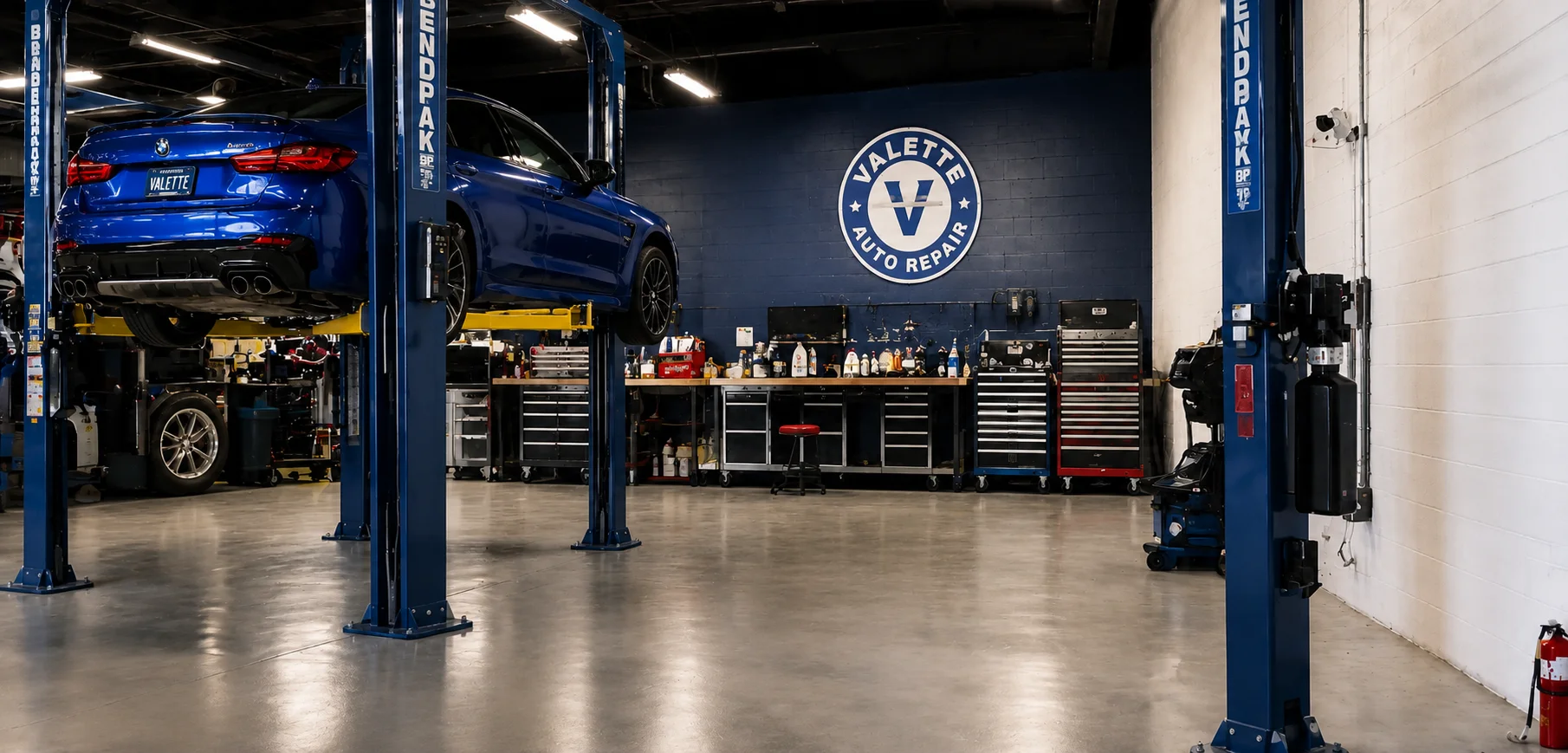
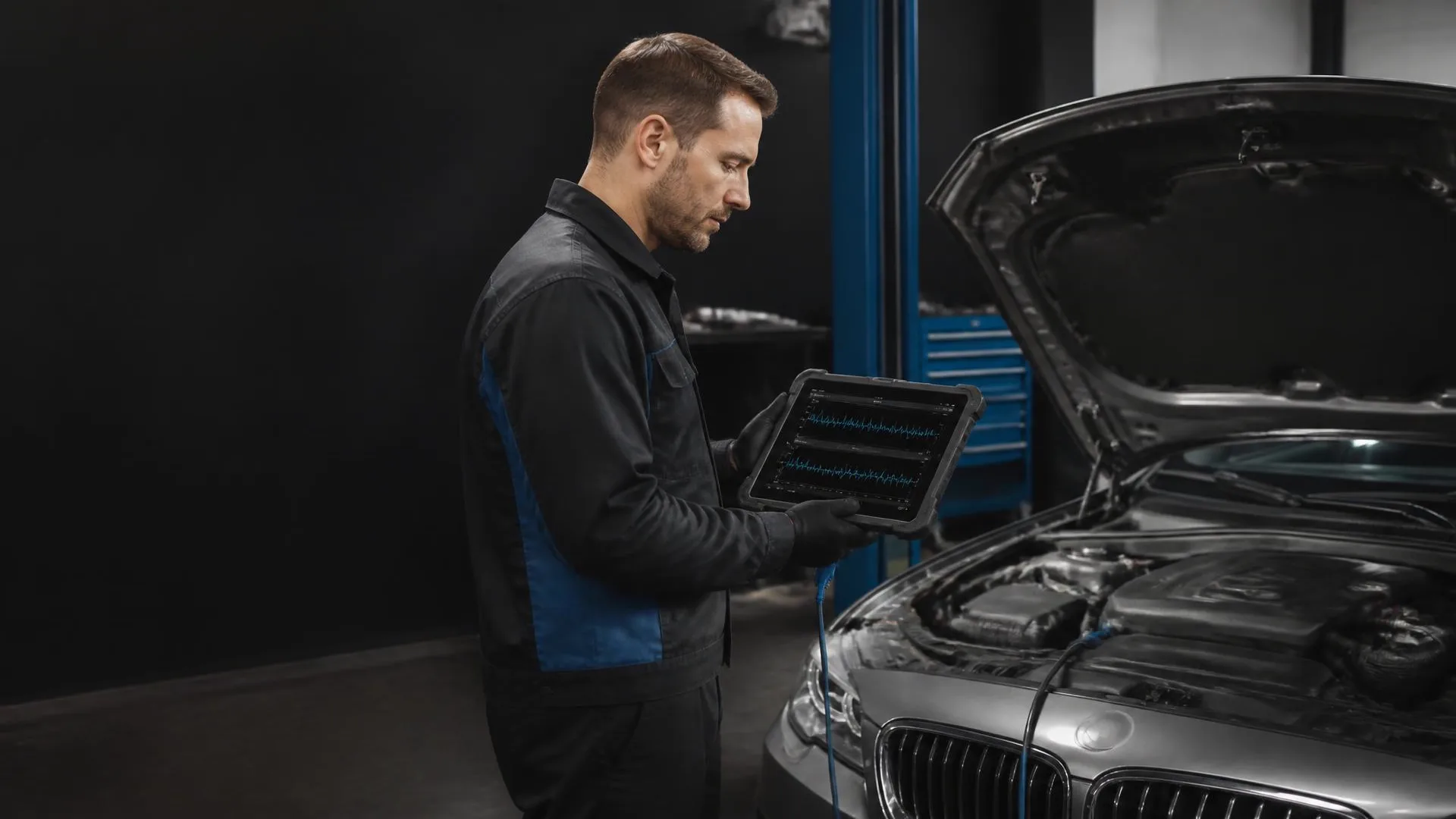
Valette Auto Repair performs ADAS calibration with factory-grade equipment and documents the before and after values, so you have proof the safety systems on your vehicle are aimed exactly where the manufacturer intended.